Winter weather can be unpredictable and dangerous. Snow and ice can cause hazardous conditions for...
Comprehensive Guide to Snow Services
Introduction to Snow Services
Snow services are professional services that assist individuals, businesses, and municipalities in managing snow and ice during the winter season. These services encompass a range of activities, including snow removal, snow plowing, snow shoveling, ice control, and sidewalk clearing. With the help of trained professionals and specialized equipment, snow services ensure the safe passage of vehicles and pedestrians, prevent property damage, and maintain the overall functionality of communities even in harsh winter conditions.
1.1 What are Snow Services?
Snow services refer to the various tasks and responsibilities involved in managing snow and ice accumulation. These services are typically provided by specialized companies that offer snow and ice management solutions. The primary goal of snow services is to mitigate the impact of snowfall and icy conditions on daily life, ensuring the smooth functioning of transportation systems, commercial properties, residential areas, and public spaces.
1.2 Importance of Snow Services
Snow services play a crucial role in maintaining the safety and functionality of communities during the winter season. Here are some key reasons why snow services are essential:
- Safety: Snow and ice accumulation can create hazardous conditions, making roads and walkways slippery, increasing the risk of accidents and injuries. Snow services help minimize these risks by clearing snow, applying de-icing agents, and ensuring safe passage for vehicles and pedestrians.
- Property Damage Prevention: Heavy snowfall can cause structural damage to buildings, parking lots, and landscapes. Snow services help prevent such damage by removing snow and ice from roofs, clearing driveways, and performing necessary maintenance tasks.
- Accessibility: Snow services ensure that roads, sidewalks, and parking lots remain accessible, allowing businesses to operate smoothly and individuals to carry out their daily activities without disruption.
- Aesthetics: Clean and well-maintained surroundings enhance the visual appeal of communities, contributing to a pleasant environment for residents and visitors alike. Snow services help maintain the aesthetic appeal of properties by removing snow and keeping outdoor areas tidy.
- Emergency Services Support: Effective snow services are crucial for emergency response teams, enabling them to reach their destinations quickly and safely, especially during severe weather conditions.
In the following sections, we will delve deeper into the different types of snow services available, the benefits of hiring professionals for snow management, tips for choosing the right snow services provider, and recommendations for effective snow service management. Stay tuned for an in-depth exploration of each of these aspects.
Types of Snow Services
Snow services encompass a range of specialized tasks aimed at managing snow and ice during the winter season. Each type of service serves a specific purpose in ensuring safe and functional environments. Let’s explore the most common types of snow services in detail:
2.1 Snow Removal
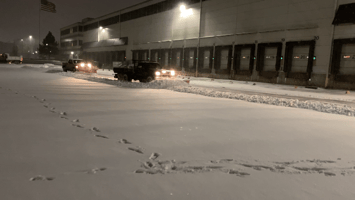
Snow removal is the process of physically removing accumulated snow from various surfaces, such as driveways, parking lots, walkways, and roads. This task is typically performed using snowplows, snow blowers, shovels, and other specialized equipment. Snow removal is essential for maintaining accessibility, preventing property damage, and ensuring the safety of pedestrians and vehicles.
During snow removal, it’s crucial to have a strategic plan in place to efficiently clear the snow and transport it to designated areas. This may involve considerations such as the volume of snow, available equipment, and the layout of the area to be cleared. Snow removal professionals are skilled in executing these tasks effectively, minimizing disruptions and maximizing safety.
2.2 Snow Plowing
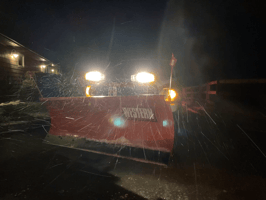
Snow plowing is a specific type of snow removal that involves pushing snow off surfaces using a plow blade attached to a vehicle. Snow plows are commonly used on roads, highways, and parking lots, as they allow for efficient clearance of large areas. Plowing is typically done in a systematic manner, starting from one end and working towards the other, pushing snow to the sides of the area being cleared.
To ensure the effectiveness of snow plowing, professionals often consider factors such as the type of surface being plowed, the amount of snowfall, and the desired level of clearance. They may employ different plow blade angles and techniques to achieve optimal results. Regular snow plowing helps maintain safe driving conditions and prevents the buildup of excessive snow.
2.3 Snow Shoveling
Snow shoveling involves manually removing snow using shovels and other handheld tools. This method is commonly used for clearing smaller areas, such as sidewalks, stairs, and smaller driveways. Snow shoveling requires physical exertion and can be time-consuming, especially after heavy snowfalls.
While snow shoveling can be done by individuals themselves, hiring professionals for this task offers several advantages. Professional snow shoveling services ensure thorough snow removal, especially in hard-to-reach areas. Additionally, they have the necessary equipment and expertise to handle snow shoveling efficiently, minimizing the risk of injury and strain.
2.4 Ice Control
Ice control is a crucial aspect of snow services that focuses on preventing ice formation and minimizing the hazards associated with icy surfaces. It involves the application of de-icing agents, such as salt, sand, or liquid brine, to surfaces prone to icing, including roads, walkways, and parking lots.
De-icing agents help melt existing ice and prevent the formation of new ice by lowering the freezing point of water. They improve traction and reduce the risk of slips and falls. Effective ice control requires proper timing and the use of appropriate amounts of de-icing agents to achieve the desired results. Snow service professionals are experienced in applying de-icing agents accurately to ensure safety while minimizing environmental impact.
2.5 Sidewalk Clearing
Clearing snow from sidewalks is crucial to maintain safe pedestrian access during winter. Sidewalk clearing involves the removal of snow and ice from sidewalks, pathways, and other pedestrian areas. This task is typically performed using snow shovels, snow blowers, or small-sized plows designed for sidewalks.
Clearing sidewalks is essential for ensuring the safety and mobility of pedestrians, including residents, employees, and visitors. It helps prevent accidents and promotes accessibility for everyone, including individuals with disabilities. Snow service providers specializing in sidewalk clearing have the knowledge and equipment required to efficiently remove snow and ice from these specific areas.
In the next section, we will discuss the benefits of hiring professional snow services. From ensuring safety to preventing property damage, professional snow services offer valuable advantages during the winter season. Stay tuned for an in-depth exploration of these benefits.
Benefits of Hiring Snow Services
Hiring professional snow services can greatly alleviate the challenges and risks associated with managing snow and ice during the winter season. These services offer a wide range of benefits that contribute to the safety, convenience, and overall well-being of individuals, businesses, and communities. Let’s delve into the key advantages of hiring snow services:
3.1 Safety
Safety is paramount when it comes to snow and ice management. Professional snow services prioritize safety and employ trained personnel who are well-versed in the best practices for snow removal, plowing, and ice control. Here are some ways in which snow services enhance safety:
- Efficient Snow Removal: Professionals have the expertise and equipment to efficiently remove snow, ensuring clear pathways for pedestrians and safe driving conditions for vehicles. This reduces the risk of accidents, slips, and falls caused by snow-covered surfaces.
- Proper Ice Control: Snow services apply de-icing agents strategically, preventing the formation of ice and reducing slippery conditions. They use the right amount of de-icing agents to balance safety with environmental considerations.
- Professional Equipment: Snow service providers have specialized equipment designed for snow and ice management. This equipment enables them to handle large volumes of snow effectively and efficiently, minimizing risks and ensuring thorough clearance.
3.2 Time and Effort Saving
Managing snow and ice can be time-consuming and physically demanding. Hiring professional snow services allows individuals and businesses to save valuable time and energy. Here’s how:
- Prompt Response: Snow services have dedicated crews who respond quickly to snowfall events. They can efficiently clear snow and ice from driveways, parking lots, and walkways, allowing you to focus on other priorities.
- Specialized Equipment: Professional snow services possess specialized equipment designed for efficient snow removal. This equipment, such as snow blowers and plows, can clear large areas in a fraction of the time it would take using manual methods.
- Expertise and Efficiency: Snow service professionals are trained in snow management techniques and have the experience to handle various snow and ice scenarios. Their expertise allows them to work efficiently, completing tasks in a timely manner.
3.3 Preventing Property Damage
Snow and ice accumulation can cause significant damage to properties if not properly managed. Hiring snow services helps prevent property damage in the following ways:
- Roof Protection: Heavy snow accumulation on rooftops can lead to structural damage and leaks. Snow services can remove snow from roofs, preventing potential issues and extending the lifespan of the roof.
- Driveway and Parking Lot Maintenance: Accumulated snow can cause cracks and potholes in driveways and parking lots. Snow services ensure thorough snow removal, minimizing the risk of damage to these surfaces.
- Landscape Preservation: Snow services employ techniques that prevent damage to trees, shrubs, and other landscaping features. They carefully clear snow without causing harm to the vegetation in the process.
3.4 Professional Equipment and Expertise
Snow services have access to specialized equipment and possess the necessary expertise to handle snow and ice effectively. Here’s how this benefits you:
- Efficient Snow Removal: Professional-grade equipment, such as snowplows, snow blowers, and de-icing machines, enables snow services to tackle large amounts of snow efficiently. This ensures thorough snow removal and minimizes disruptions caused by snow accumulation.
- Knowledge of Best Practices: Snow service professionals stay updated on the latest snow management techniques and best practices. They understand how to handle different snow conditions and employ strategies to achieve optimal results.
- Environmental Considerations: Snow services take environmental factors into account when performing their tasks. They use appropriate amounts of de-icing agents, minimizing the impact on the environment while still ensuring safety.
In the next section, we will discuss important factors to consider when choosing the right snow services provider. From reputation and experience to pricing and customer reviews, we will explore the key considerations to help you make an informed decision. Stay tuned for valuable insights on selecting the ideal snow services provider for your needs.
Choosing the Right Snow Services Provider
Selecting the right snow services provider is essential to ensure reliable and effective snow and ice management. With numerous companies offering snow services, it’s important to consider various factors before making a decision. Here are key considerations to help you choose the ideal snow services provider:
4.1 Reputation and Experience
When evaluating snow services providers, reputation and experience are crucial factors to consider. Look for companies with a solid track record and positive customer feedback. Consider the following:
- Longevity: A company that has been in the industry for several years is likely to have extensive experience in handling different snow and ice scenarios. Their longevity indicates their ability to deliver quality services consistently.
- Customer Reviews: Read online reviews and testimonials to gauge the level of satisfaction among previous clients. Positive reviews and high ratings are indicators of a reputable and reliable snow services provider.
- Referrals: Seek recommendations from friends, neighbors, or business associates who have used snow services in the past. Personal referrals can provide valuable insights into the quality of service offered by specific providers.
4.2 Services Offered
Consider the specific services offered by each snow services provider. Ensure that they offer the full range of services you require, such as snow removal, plowing, ice control, and sidewalk clearing. Having a single provider that can handle all your snow and ice management needs simplifies the process and ensures consistency in service delivery.
In addition to the core services, some providers may offer additional services like roof snow removal, snow relocation, or 24/7 emergency response. Assess your specific requirements and choose a provider that can fulfill them comprehensively.
4.3 Pricing
Pricing is an important consideration when selecting a snow services provider. Request quotes from multiple providers and compare them based on the scope of services offered. Keep in mind that the cheapest option may not always provide the best value for money.
Consider the overall package offered by each provider, including the quality of service, reliability, and customer support. Investing in a reputable and experienced provider may be more cost-effective in the long run, as they are likely to deliver superior results and minimize the risk of additional expenses due to property damage or inadequate service.
4.4 Insurance and Liability Coverage
Ensure that the snow services provider you choose has appropriate insurance and liability coverage. Accidents and property damage can occur during snow and ice management, so it’s crucial that the provider has adequate coverage to protect both parties involved.
Request proof of insurance and liability coverage from each provider and verify that the coverage is current. This will give you peace of mind knowing that you are protected in the event of any unforeseen incidents.
4.5 Customer Reviews and Testimonials
Customer reviews and testimonials provide valuable insights into the level of satisfaction and quality of service offered by a snow services provider. Look for providers with positive feedback and high ratings. Consider the following when reviewing customer reviews:
- Reliability: Assess whether customers consistently mention the provider’s reliability in terms of timely service delivery and responsiveness to customer requests.
- Communication: Look for feedback regarding the provider’s communication skills and their ability to address customer concerns or inquiries promptly.
- Quality of Service: Consider comments regarding the thoroughness and effectiveness of snow and ice management performed by the provider.
- Professionalism: Evaluate feedback on the professionalism and demeanor of the provider’s staff, as well as their adherence to safety protocols.
By considering these factors and conducting thorough research, you can make an informed decision when choosing a snow services provider that meets your specific needs and requirements.
In the next section, we will discuss valuable tips for effectively managing snow services. These tips will help you make the most of the services provided and ensure a smooth winter season. Stay tuned for expert advice on optimizing your snow and ice management efforts.
Tips for Effective Snow Services
Effective snow services require proper planning, preparation, and ongoing maintenance throughout the winter season. By following these tips, you can optimize your snow and ice management efforts and ensure a safe and functional environment:
5.1 Planning and Preparation
Successful snow and ice management start with careful planning and preparation. Consider the following tips:
- Create a Snow Management Plan: Develop a comprehensive plan that outlines the specific tasks, responsibilities, and timelines for snow and ice management. This plan should include details on snow removal, plowing routes, de-icing procedures, and sidewalk clearing.
- Identify Priority Areas: Determine the areas that require immediate attention during snow events. Prioritize high-traffic areas, emergency access routes, and areas prone to icing. By identifying priority areas in advance, you can allocate resources and respond promptly.
- Stock Up on Supplies: Ensure you have an ample supply of de-icing agents, such as salt or sand, to manage icy conditions. Stock up on snow removal equipment, such as shovels, snow blowers, and plows, to handle snow accumulation effectively.
5.2 Regular Maintenance
Regular maintenance is key to effective snow and ice management. Follow these tips to keep your property safe and accessible:
- Monitor Weather Conditions: Stay informed about upcoming weather forecasts to anticipate snowfall and plan accordingly. This allows you to schedule snow services in advance and be prepared for any potential snow events.
- Frequent Snow Removal: Stay proactive by removing snow promptly after each snowfall. Regular snow removal prevents snow from accumulating and becoming harder to manage. It also reduces the risk of compacted snow turning into ice.
- Inspect and Repair Equipment: Regularly inspect your snow removal equipment to ensure it is in good working condition. Repair or replace any damaged or malfunctioning equipment promptly to avoid disruptions in snow and ice management.
5.3 Safety Measures
Safety should always be a top priority when it comes to snow and ice management. Consider the following safety tips:
- Clear Walkways and Entrances: Keep walkways, stairs, and entrances clear of snow and ice to prevent slips and falls. Apply de-icing agents to these areas to enhance traction and minimize hazards.
- Use Caution when Walking or Driving: Exercise caution when walking or driving on snow-covered surfaces. Wear appropriate footwear with good traction and drive at reduced speeds to maintain control on slippery roads.
- Mark Hazards: Clearly mark any potential hazards, such as uneven surfaces or hidden obstacles, with warning signs or reflective tape. This helps prevent accidents and ensures the safety of pedestrians and drivers.
5.4 Communication with the Service Provider
Maintaining open communication with your snow services provider is essential for effective snow and ice management. Consider the following tips:
- Establish Clear Communication Channels: Ensure you have a reliable method of communication with your snow services provider. Exchange contact information and establish protocols for reporting snow events, requesting services, and addressing any concerns or emergencies.
- Provide Regular Updates: Keep your snow services provider informed about any changes in your property, such as new structures or landscaping features. This information helps them plan their snow and ice management strategies effectively.
5.5 Winter Weather Emergency Preparedness
Winter weather can bring unexpected emergencies. Be prepared by following these tips:
- Develop an Emergency Plan: Create an emergency plan that outlines communication protocols, emergency contact information, and procedures for handling severe weather events. This plan should include contingencies for power outages, extreme snowfall, or other emergencies.
- Maintain Emergency Supplies: Stock up on essential supplies, such as non-perishable food, water, flashlights, batteries, and blankets. Have a backup generator or alternative heating sources, if possible, to ensure safety during power outages.
- Collaborate with Local Authorities: Stay updated with local weather advisories and collaborate with local authorities to ensure you are aware of any emergency protocols or evacuation plans in your area.
By following these tips, you can effectively manage snow and ice services, ensuring the safety and functionality of your property during the winter season.